
RBI Forex Measures Bring in Nearly $32 Billion; Governor Says Rupee Is Undervalued

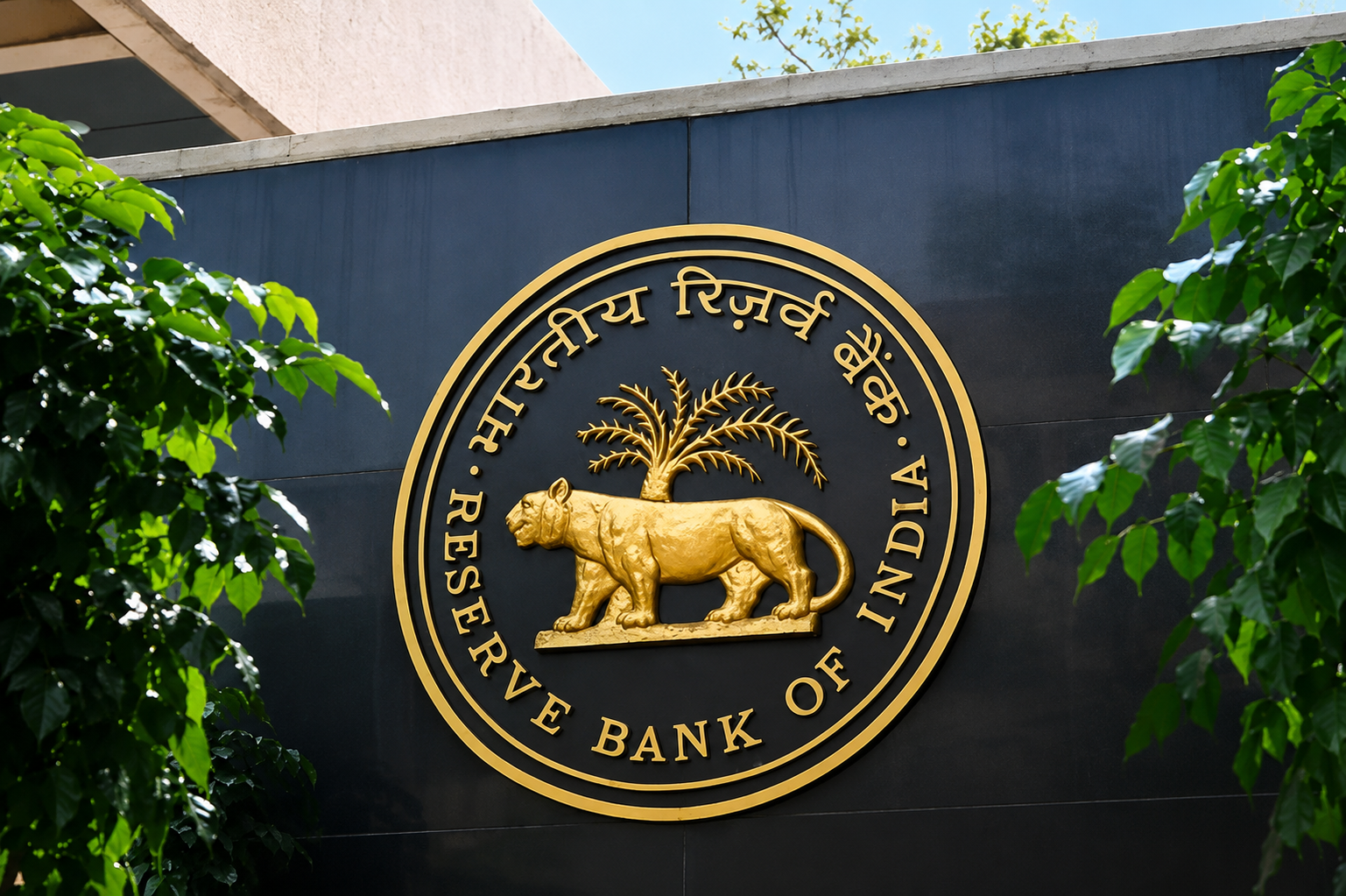
The Reserve Bank of India's recent foreign exchange measures have attracted nearly $32 billion, mainly through FCNR(B) deposits, while foreign investors have invested more than $7 billion in government securities. RBI Governor Sanjay Malhotra said the Indian rupee is currently undervalued and that recent currency weakness has been driven by global factors instead of domestic fundamentals.
RBI's forex measures attract nearly $32 billion
The Reserve Bank of India (RBI) said its recent foreign exchange measures have generated nearly $32 billion in inflows, with most of the amount coming through Foreign Currency Non-Resident Bank (FCNR(B)) deposits.
Speaking about the response to the measures, RBI Governor Sanjay Malhotra said the initiative has helped strengthen India's external position at a time when global markets remain volatile. Alongside these inflows, foreign portfolio investors have invested more than $7 billion in Indian government securities since the measures were announced in June.
The additional capital is expected to support India's foreign exchange reserves, improve liquidity in the banking system and provide stability to the country's external finances.
Forex inflow snapshot
| Particulars | Amount |
|---|---|
| FCNR(B) deposits and other forex mobilisation | Nearly $32 billion |
| Foreign investment in government securities | Over $7 billion |
| Objective of the measures | Strengthen the external sector and support currency stability |
RBI says the rupee is undervalued
Governor Sanjay Malhotra said the Indian rupee is currently undervalued after its recent depreciation in both nominal and real effective exchange rate terms.
According to the RBI, the currency's weakness does not reflect India's underlying economic conditions. Instead, it has largely been influenced by geopolitical tensions, continued strength in the US dollar and volatility across global financial markets.
The Governor also reiterated that the RBI does not target a fixed exchange rate. The central bank intervenes in the foreign exchange market only to reduce excessive volatility when required.
External sector remains stable
The RBI pointed to several indicators that continue to support India's external sector.
These include:
- Current account surplus during April and May
- Healthy services exports
- Steady remittance inflows
- Improving merchandise exports
- Higher foreign direct investment (FDI)
According to the central bank, these factors continue to support the balance of payments and provide stability to the rupee despite uncertainty in global markets.
RBI addresses liquidity and hedging concerns
Responding to questions on the cost of hedging fresh FCNR(B) deposits and concessional foreign exchange swap facilities, Governor Malhotra said the RBI has adequate safeguards in place.
He explained that the foreign currency mobilised under the scheme is invested in overseas assets, allowing the central bank to manage associated risks while supporting domestic liquidity.
Inflation remains the RBI's priority
Governor Malhotra said the RBI's primary objective continues to be price stability and inflation control.
He added that the Monetary Policy Committee (MPC) will continue to follow a data-dependent approach while making policy decisions. Although inflation has stayed above the RBI's medium-term target of 4%, the central bank does not currently see signs of broad-based inflation becoming entrenched.
Future policy decisions will depend on incoming economic data, inflation trends and growth conditions.
What this means for investors
The response to the RBI's forex measures indicates continued overseas interest in Indian financial assets. Higher FCNR(B) deposits and sustained investment in government securities improve India's external financing position and provide additional support to the rupee.
Market participants are likely to monitor future capital inflows, RBI policy decisions, inflation data and movements in the rupee to assess the outlook for financial markets.
Frequently asked questions
What are FCNR(B) deposits?
Foreign Currency Non-Resident Bank (FCNR(B)) deposits are fixed deposits held by Non-Resident Indians (NRIs) in designated foreign currencies with Indian banks. They help bring foreign currency into India's banking system.
How much capital did the RBI's forex measures attract?
According to RBI Governor Sanjay Malhotra, the measures have mobilised nearly $32 billion, with most of the inflows coming through FCNR(B) deposits.
How much did foreign investors invest in government securities?
Foreign portfolio investors have invested more than $7 billion in Indian government securities since the RBI announced the forex measures in June.
Why does the RBI believe the rupee is undervalued?
The RBI said the rupee's recent depreciation has been driven mainly by global factors such as geopolitical tensions, a stronger US dollar and volatility in emerging markets, rather than weakness in India's economic fundamentals.
What is the RBI's current monetary policy focus?
The RBI has said that maintaining price stability remains its primary objective. The Monetary Policy Committee will continue to take policy decisions based on incoming economic data and inflation trends.
Turn Market Insights into Action
Discover stocks, analyze opportunities and trade securely in your own broker account with Liquide. Get expert trade setups from our research desk along with real-time market tracking and commentary.
You can also get instant stock insights and answers to your queries using LiMo, our AI-powered stock assistant.
Download the Liquide App now from the Google Play Store and Apple App Store.
This document has been issued by Liquide Solutions Private Limited for information purposes only and should not be construed as
i) an offer or recommendation to buy or sell securities, commodities, currencies or other investments referred to herein; or
ii) an offer to sell or a solicitation or an offer for the purchase of any of the baskets of Liquide Solutions; or
iii) investment research or investment advice. It does not have regard to specific investment objectives, financial situation and the particular needs of any specific person who may receive this document. Investors should seek personal and independent advice regarding the appropriateness of investing in any of the funds, securities, other investment, or investment strategies that may have been discussed or referred to herein and should understand that the views regarding future prospects may or may not be realized. In no event shall Liquide Life Private Limited and/or its affiliates or any of their directors, trustees, officers and employees be liable for any direct, indirect, special, incidental or consequential damages arising out of the use of information/opinion herein.