
India-New Zealand FTA 2026: A New Era for Trade, Jobs & $20B Investment
On April 28, 2026, India and New Zealand ushered in a new era of economic partnership. From "zero-duty" access for 8,000+ Indian products to a massive $20 billion investment pledge, discover how this deal impacts textiles, STEM professionals and the "Make in India" initiative.

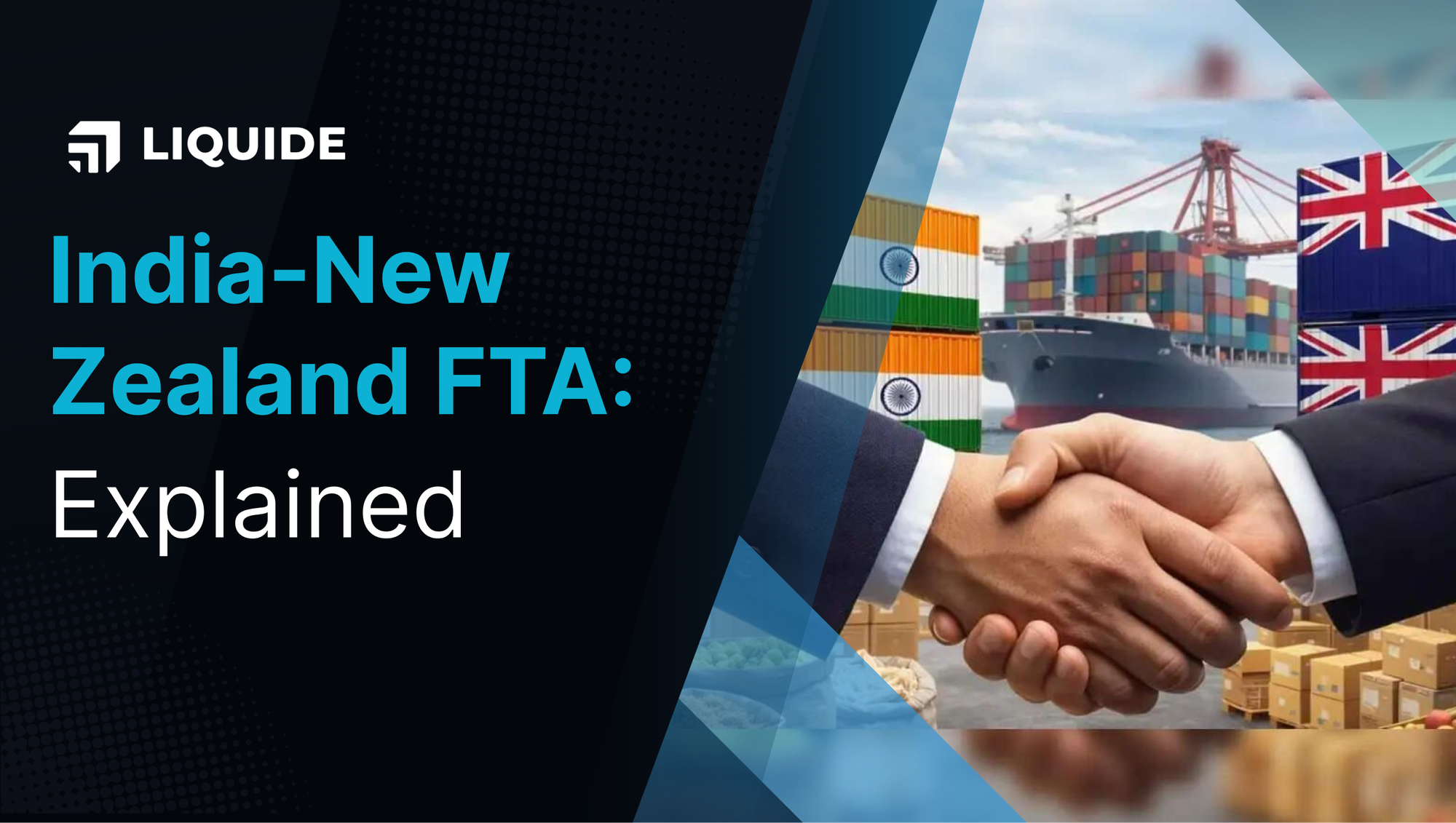
On April 28, 2026, India and New Zealand officially signed a landmark Free Trade Agreement (FTA) in New Delhi. Signed by Commerce Minister Piyush Goyal and New Zealand’s Todd McClay, the deal was negotiated in a record-breaking nine months.
For a country that once viewed trade deals with skepticism, this agreement proves that "Brand India" is now negotiating from a position of undisputed strength.
Why the India–New Zealand FTA Matters
At first glance, trade between India and New Zealand may seem modest. Bilateral merchandise trade stood at around $1.3 billion in FY 2024–25, with total trade in goods and services at approximately $2.4 billion.
But FTAs are rarely about current numbers—they are about future opportunity.
New Zealand offers Indian businesses access to a high-income, highly regulated market. For New Zealand, deeper engagement with India helps diversify trade ties at a time when global supply chains are shifting away from overdependence on China.
Massive Export Opportunities: Duty-Free Access for 8,000+ Indian Products
Under the provisions of this agreement, India has secured a "perfect score" for its exporters. From the day the pact enters into force, all 8,284 Indian export product lines will enter New Zealand with zero customs duty.
Previously, Indian manufacturers faced a competitive disadvantage with tariffs as high as 10% on key goods. That barrier has been obliterated.
Key Sectors Set to Benefit:
- Textiles & Apparel: Immediate duty-free status for garments, home textiles, and man-made fibres provides India a massive edge over regional competitors.
- Leather & Footwear: With tariffs dropping from 5% to zero, the footwear hub of Agra—which accounts for 75% of India's leather footwear output—is poised for a global explosion. Industry experts now project the sector could skyrocket to a $50 billion valuation by 2030.
- Industrial Strengthening: Beyond finished goods, India has secured duty-free access to critical manufacturing inputs like coking coal, wooden logs, and metal scrap, effectively fueling the "Make in India" engine with cheaper raw materials.
- AYUSH & Services: In a unique "soft power" win, New Zealand has granted market access to AYUSH services (Ayurveda, Yoga, etc.), alongside 118 other service sectors including IT and healthcare.
The $20 Billion Investment Engine
Perhaps the most "high-intent" headline of this deal is New Zealand’s commitment to facilitate $20 billion in foreign direct investment (FDI) into India over the next 15 years.
This capital is likely to flow into high-growth sectors such as:
- Renewable energy and green hydrogen
- Agri-tech and precision agriculture
- Infrastructure and deep-tech
For global investors, this reinforces India’s position as a long-term growth market with scale, demand and policy support.
New Visa Pathways: Benefits for Indian Students & Professionals
The agreement also opens new doors for Indian students and professionals, strengthening mobility between the two countries.
Key Highlights
- Professional Visas: A dedicated pathway for 5,000 Indian professionals to work in New Zealand.
- STEM Graduates: Can now stay and work in New Zealand for up to 3 years post-graduation.
- PhD Holders: Can remain for up to 4 years, fostering a bridge for high-level research and innovation.
- Service Sector Access: India gained market access in 118 service sectors, including IT, healthcare and financial services.
Protecting India’s Farmers: The Dairy Safeguard
One of the most sensitive areas in any trade deal with New Zealand is dairy. India has taken a cautious approach by excluding key sectors such as dairy, sugar, onions and edible oils from tariff concessions.
Instead, the agreement uses Tariff-Rate Quotas (TRQs) for select items like Manuka honey and kiwifruit—allowing controlled imports without impacting domestic farmers.
The Bigger Picture: India’s 9th Deal in 3 Years
To understand the gravity of this moment, one must look at the trajectory. After a decade-long lull in major bilateral trade negotiations following the India–Japan agreement in 2011, India’s approach has fundamentally shifted.
The New Zealand FTA marks India’s ninth trade agreement in under three years, building on momentum from deals with the UAE, Australia and EFTA (European Free Trade Association).
What has changed is not just intent, but positioning. India is now negotiating from a position of strength. We have a consumer market that every country wants access to and a manufacturing capacity that didn't exist a decade ago.
- For exporters, the takeaway is simple: new markets are opening up faster than ever.
- For investors, the signal is even clearer: India is becoming an essential part of global growth strategies.
As supply chains continue to shift towards stable and reliable partners, these bilateral pillars are turning the country into the most connected emerging market in the world.
Disclaimer: The information provided in this blog post is for educational and informational purposes only and does not constitute financial, investment or legal advice.
While the data regarding the India–New Zealand Free Trade Agreement (FTA) is sourced from public records and official statements, it should not be construed as an offer or solicitation to buy or sell any securities or make specific investments.
For detailed Disclaimer, please visit our website https://liquide.life/